
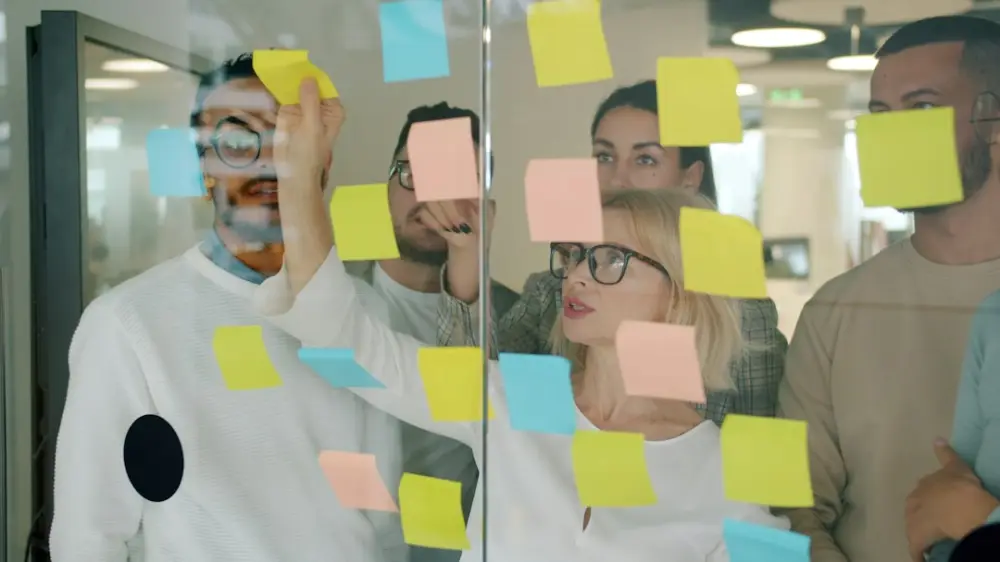
Team psychological safety is the shared belief that members can take risks, voice concerns, and admit mistakes without fear of punishment or humiliation. It creates an environment where individuals feel respected and accepted, allowing them to contribute their unique strengths and collaborate effectively toward common goals without the fear of negative social consequences.
In a high-pressure workplace, safety is not about being "nice" or lowering performance standards. It is about creating the structural certainty that a person will not be penalized for being human. When leaders focus on what people do well rather than policing their weaknesses, teams stop hiding errors and start offering the creative solutions necessary for long-term resilience and growth.
Building Trust Through a Strengths Approach
Trust is the byproduct of seeing and being seen. In many organizations, the focus remains stubbornly fixed on "fixing" people, which naturally triggers a defensive response. When you pivot to a strengths-based model, you change the team's internal narrative from "Am I good enough?" to "How can I best contribute?" This shift reduces the cortisol-spiking fear of being judged for one's flaws.
Consider a marketing team where a member struggles with data spreadsheets but excels at narrative storytelling. In a traditional environment, the manager might spend every one-on-one meeting critiquing the spreadsheet errors. In a strengths-based environment, the manager pairs that person with a data-driven colleague, allowing the storyteller to focus on strategy. By leading through setbacks by drawing on existing talents, you prove to the team that their unique value is more important than a checklist of generic competencies. This creates a safety net that encourages people to step out of their comfort zones.
Breaking Through Mental Health Barriers
Mental health barriers often manifest as silence. When employees feel they must mask their stress or burnout to appear professional, they stop communicating vital information. Breaking through these barriers requires a leader to normalize the reality of the human experience. Psychological safety allows a team member to say, "I am at capacity and I need help," without fearing they will be passed over for the next promotion.
A practical example of this is the "Traffic Light Check-in." At the start of a weekly sync, each team member shares a color: green for feeling capable and energized, yellow for feeling stressed but managing, and red for being overwhelmed or near burnout. When a senior leader identifies as "yellow" or "red," it signals to the rest of the office that vulnerability is not a career-ending move. This transparency is a cornerstone of psychological safety, ensuring that issues are addressed before they lead to total exhaustion.
Lessons from High-Pressure Teams
High-pressure industries, such as aviation and emergency medicine, have long understood that silence kills. In these environments, the hierarchy is often flattened during critical moments to ensure that a junior member can challenge a senior officer if they see a mistake. This is known as "Crew Resource Management," and it is a masterclass in psychological safety under fire.
We can see the evolution of resilient leadership in these sectors through the use of "no-fault debriefs." In a surgical setting, for instance, a team might use a checklist to confirm that everyone is empowered to speak up. If a nurse notices a potential contamination, the culture dictates they must speak, and the surgeon must listen. Bringing this level of clarity to an office setting—where the stakes might not be life or death, but are still significant—ensures that the team remains agile and responsive to change.
Communication Strategies for Real Connection
Building real connection requires moving beyond transactional emails and into active, empathetic dialogue. To build a safer communication culture, follow these specific steps during your next team interaction:
- Practice Active Inquiry: Instead of giving a directive, ask, "What is the biggest obstacle you see in this plan?" This invites critical thinking rather than simple compliance.
- Acknowledge the Input: When someone shares a concern, validate it immediately. You might say, "I appreciate you bringing up that potential bottleneck; let's look at it together."
- Replace Blame with Curiosity: When a project fails, ask "How did the process break down?" instead of "Who messed this up?"
- Mirror for Clarity: Repeat back what you heard to ensure alignment. "So, what I’m hearing is that the timeline feels unrealistic given our current resources. Is that right?"
By using these steps, you demonstrate that the team’s collective intelligence is more valuable than any individual’s ego. This is especially vital in 2026, where remote and hybrid work can often lead to misinterpretations of tone and intent.
Leadership Habits That Make Safety Stick
Safety is not a one-time workshop; it is a daily practice. The habits you model as a leader define the ceiling of your team's psychological safety. One of the most effective habits is the "Mistake of the Month" ritual. When a leader stands up and explains a mistake they made, why it happened, and what they learned, they provide a roadmap for others to do the same. It removes the stigma of imperfection.
Another habit is the "Last to Speak" rule. In meetings, the person with the most authority listens to everyone else’s perspective before offering their own. This prevents "HIPPO" (Highest Paid Person's Opinion) dominance and ensures that quieter team members feel their input is genuinely sought after. According to OSHA guidelines on workplace stress, environments where employees feel they have a voice are significantly less likely to experience high turnover and health-related absences.
Sustaining Safety Through Shared Strengths
The final step in sustaining a culture of safety is to weave strengths into the very fabric of how the team operates. This means recognizing that resilience is not an individual trait, but a collective resource. When the team understands one another's natural talents, they can support each other during periods of high pressure, shifting responsibilities to match the person best equipped for the task at hand.
Jani Toivola emphasizes that leadership is less about having all the answers and more about creating the conditions where the team can find them together. By focusing on strengths and fostering psychological safety, you build a foundation of resilience that can weather any professional storm. This approach ensures that personal growth and professional excellence are not mutually exclusive, but are instead two sides of the same coin. On this site, the goal is to help you move from a state of reactive management to one of proactive, strengths-based leadership that protects both the person and the performance.